
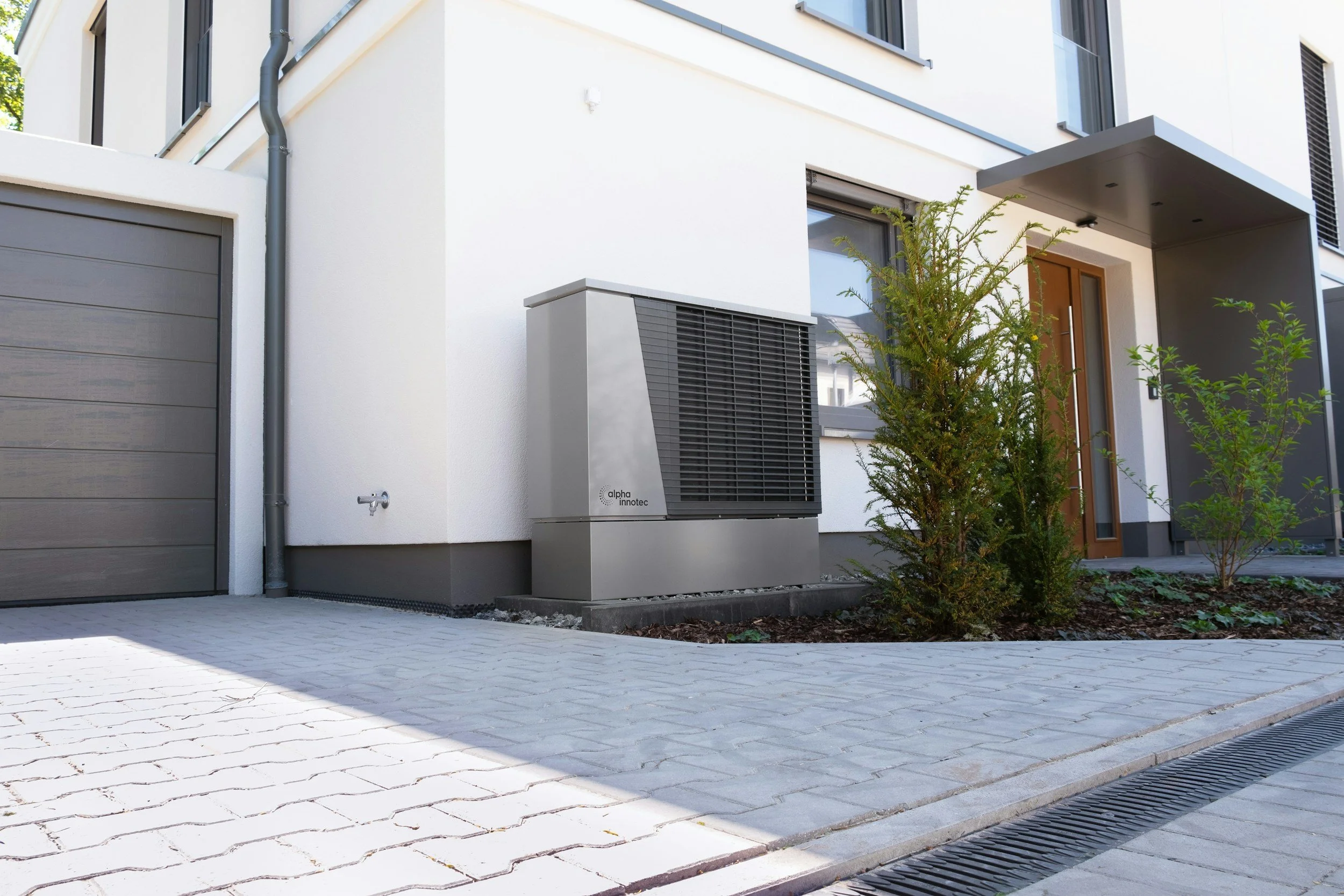
Heat Pumps
Air-source vs. Ground-source:
Overview of Air Source Heat pumps, by NYSERDA
Overview of Ground Source Heat Pumps, by NYSERDA
Air-Source Heat Pumps take heat from the outside air (even when it is cold outside), and work well for homes and apartment buildings of all sizes. There are incentives offered through utilities to help cover the cost of equipment and installation, as well as additional ones for income-eligible households. Learn more about air-source heat pumps in this video from NYSERDA and on the NYS Clean Heat site.
Ground-Source Heat Pumps, also known as geothermal, remove heat from underground, and are more efficient than air source heat pumps. There are three separate incentives for ground-source heat pumps.
Heat pumps can be carbon neutral if paired with solar panels, or if you purchase green energy through your energy supplier. Read more about heat pumps here and here and explore NYSERDA’s Heat Pump Planner.
Biomass: Wood & Wood Pellet
Biomass refers to renewable organic material from plants and organisms used primarily for bioenergy and bioproducts. Unlike finite fossil fuels that release ancient sequestered carbon, processed biomass can produce everyday items like plastics and eco-friendly chemicals, or generate clean energy through combustion and decomposition. Modern wood and pellet stoves (supported in New York State by NYSERDA rebates) offer efficient, low-pollution heating solutions that can power an entire weatherized home.
NYS Rebates:
New York State and utility companies are offering rebates to install air- and ground-source heat pumps through the NYS Clean Heat program. Rebates are paid directly to participating contractors who lower the cost to you.
Rebate amounts can vary depending on where you live, the size and configuration of the system being installed, and whether or not you are decommissioning your existing system. If you are considering switching to heat pumps, follow these steps to make a more informed decision:
Explore NYSERDA’s Heat Pump Planner and the NYS Clean Heat Buyer’s Guide to learn about your options.
Find a participating contractor. We recommend getting quotes from two or more contractors.
Consult with an Energy Advisor to compare your proposals and discuss what to expect from each system, such as estimated monthly and annual savings and changes to your fuel and electric bills.
Energy Advisors can also help guide you through the different financing options New York State can offer to complete the project.
Interested?
Contact one of our Community Energy Advisors. We are here to help!